Laos and Thailand Deepen Cooperation on Wildfires, Haze and Transnational Wildlife Crime
By the Department of Forestry, Ministry of Agriculture and Environment
CHIANG MAI, Thailand — Sept. 10, 2026
Laos and Thailand moved to strengthen their cooperation on Wednesday in confronting wildfires, transboundary haze and fine particulate pollution, while expanding joint efforts against organized wildlife crime across their shared border.
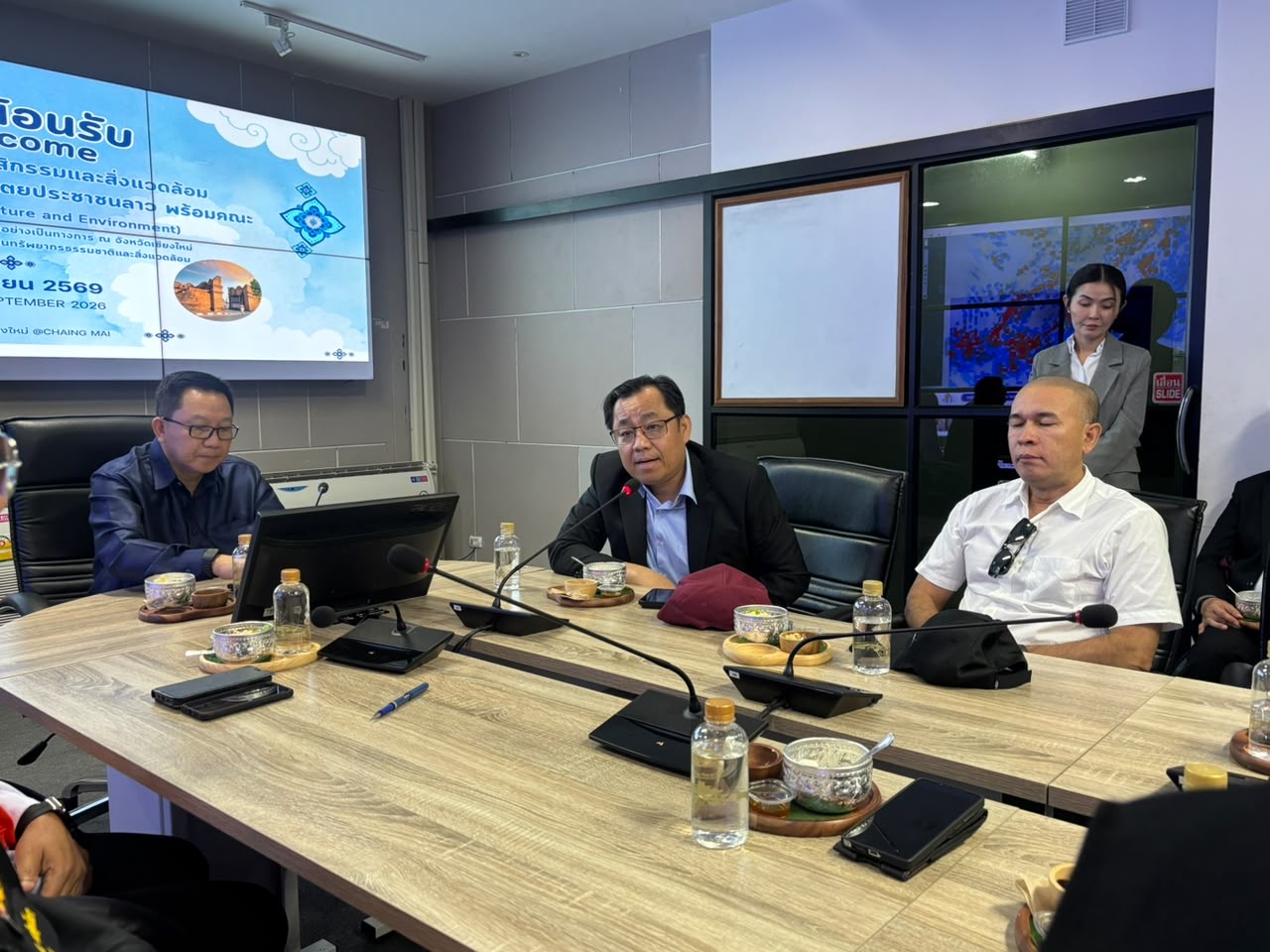
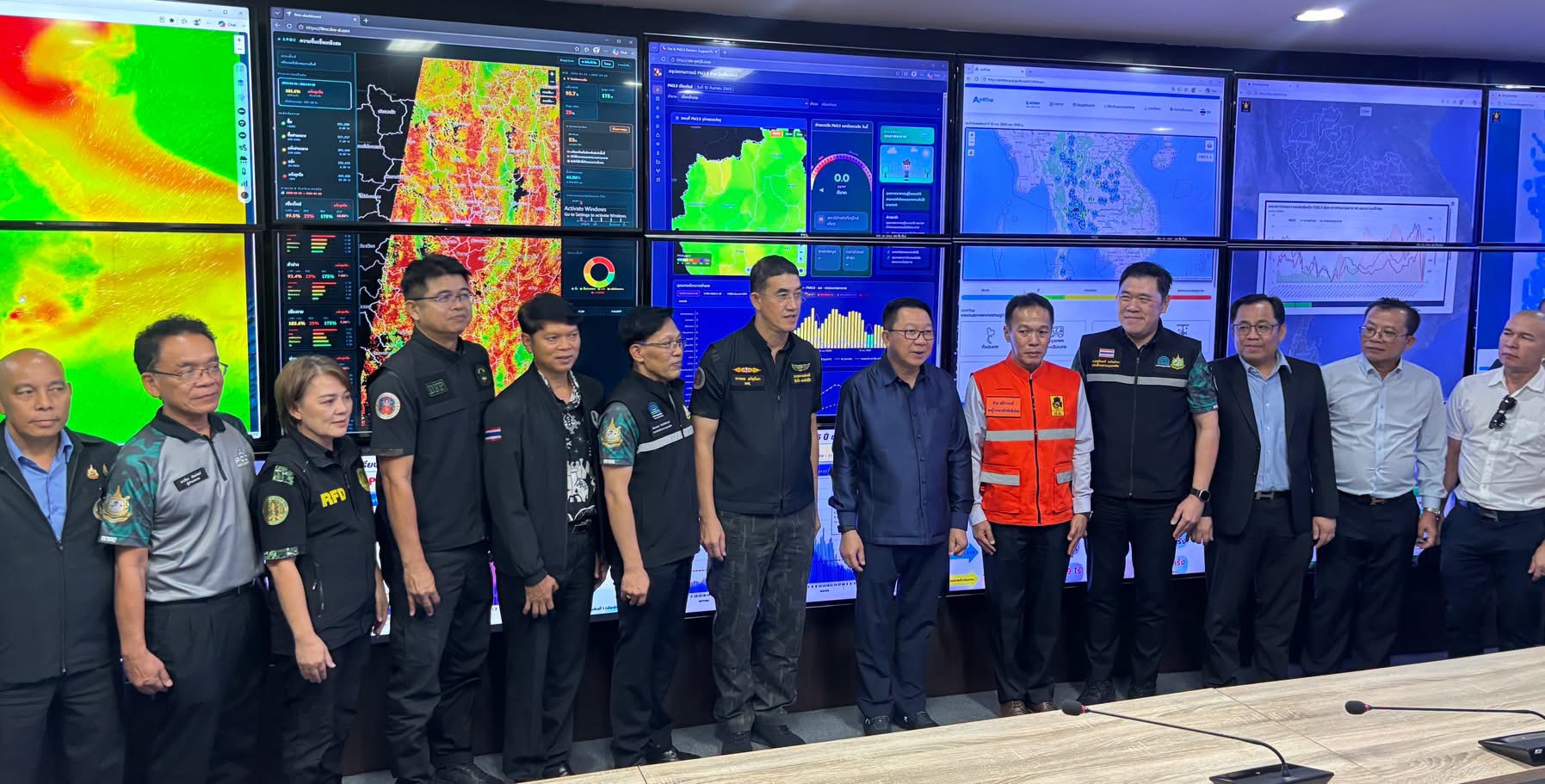
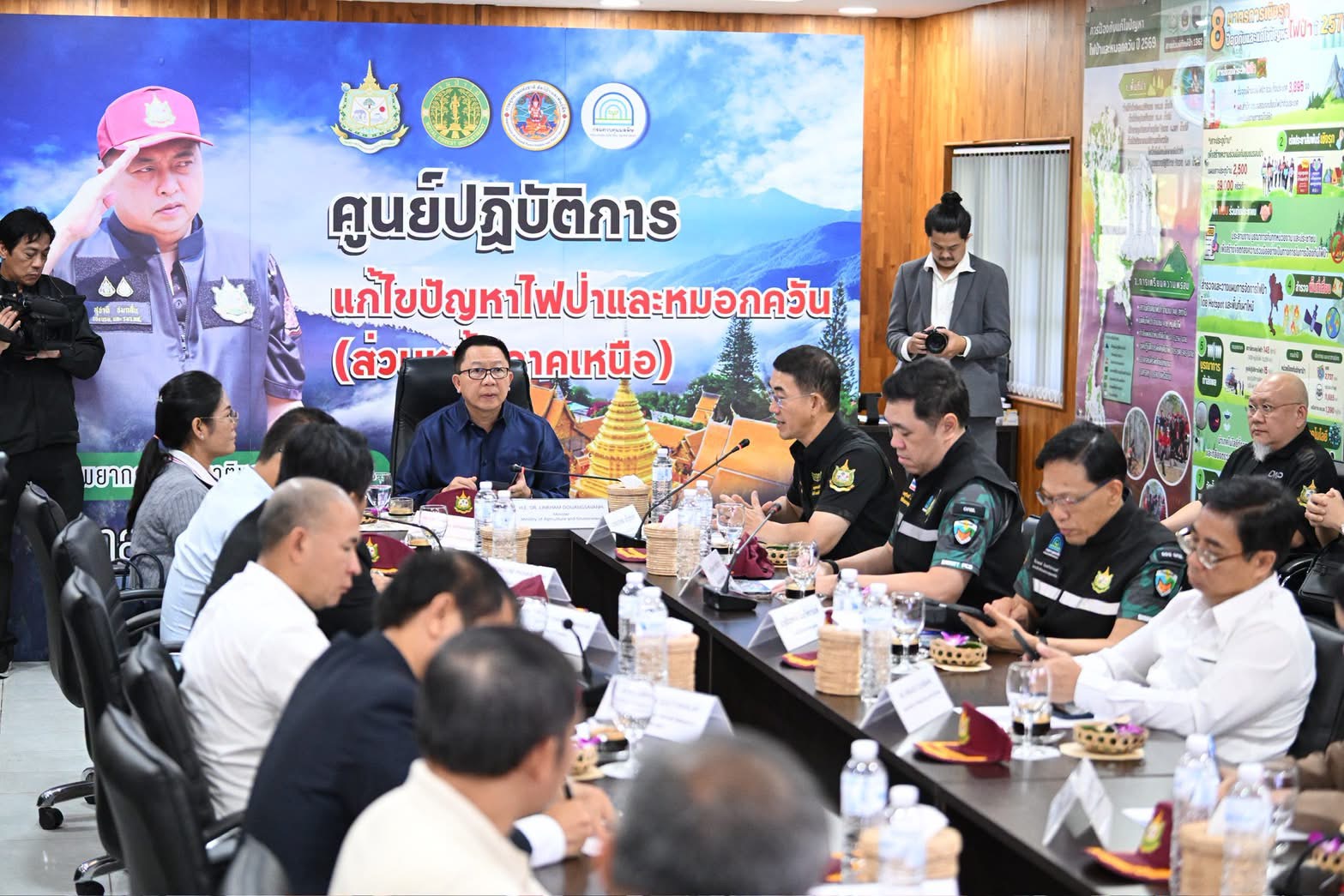
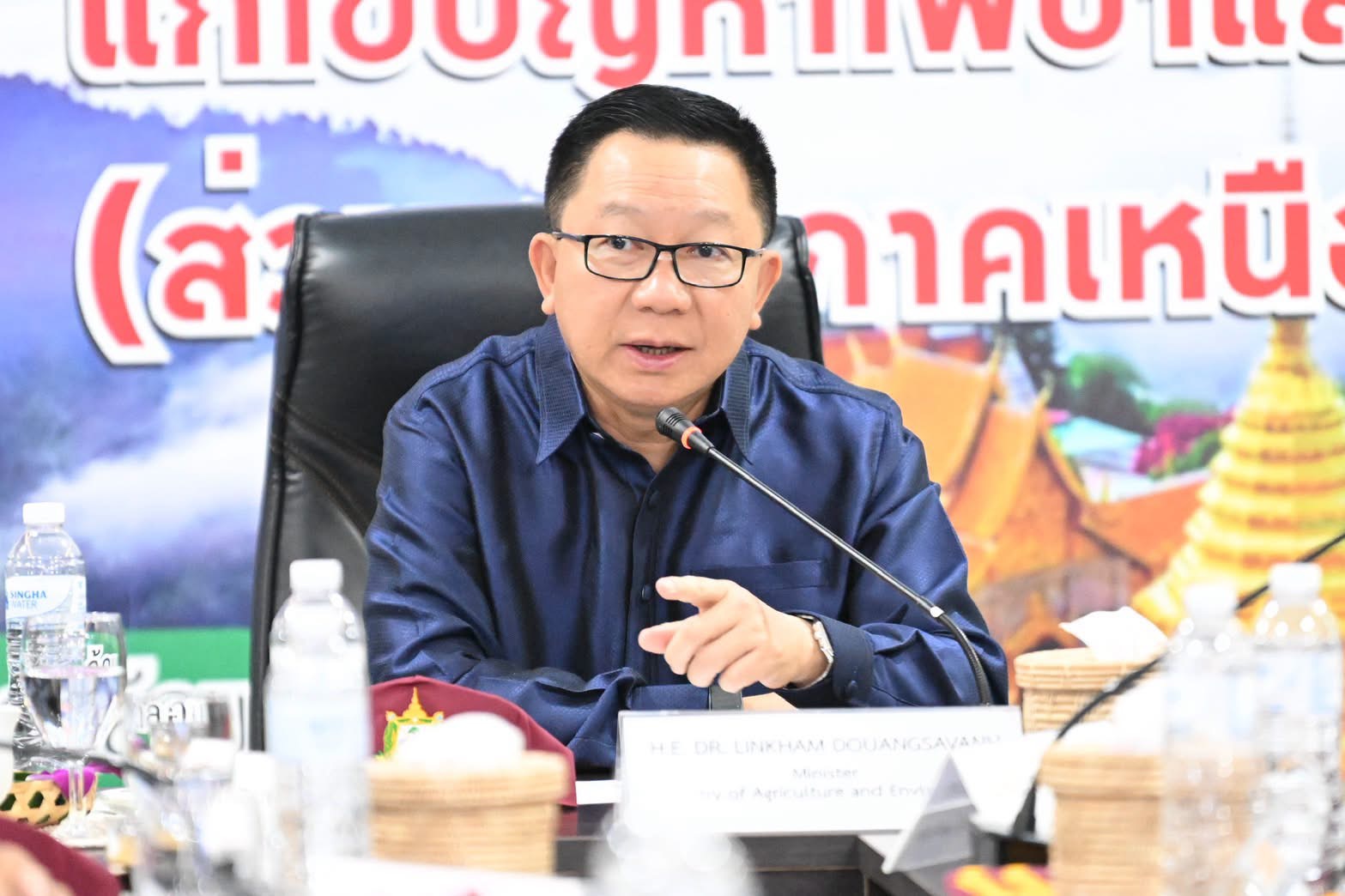
Assoc. Prof. Dr. Linhkam Douangsavanh, Minister of Agriculture and Environment of Lao PDR, led a delegation to the Chiang Mai Forest Fire Operations Center and the Chiang Mai command center responsible for preventing and addressing wildfires, haze and PM2.5 pollution.
The delegation was welcomed by Mr. Atthapol Charoenchansa, Director General of the Department of National Parks, Wildlife and Plant Conservation, and Dr. Surin Worakitthamrong, Director General of the Pollution Control Department of Thailand.
The visit focused on exchanging technical knowledge, operational experience and technology for wildfire control. It also sought to reinforce cooperation between the two countries in addressing wildfires, haze, PM2.5 and transboundary air pollution across the Greater Mekong Subregion.
Thai officials briefed the delegation on the structure of air-pollution management at the national, regional and provincial levels. The presentation covered policy development, incident command arrangements, the use of hotspot data, community participation in fuel management, field monitoring, risk assessment and early-warning systems.
The delegation also observed a simulated wildfire response. The exercise demonstrated procedures for incident command, the deployment of personnel and equipment, and the use of technology in field operations. Drones were used to transport air blowers to firefighting teams, while aircraft operated by the Ministry of Natural Resources and Environment of Thailand demonstrated aerial support for wildfire suppression. Officials said the technologies could improve both operational efficiency and the safety of personnel working in difficult terrain.
Mr. Atthapol said wildfires and haze did not stop at national borders and therefore required close cooperation among neighboring countries. He said Thailand was prepared to share technical knowledge, training programs, hotspot-monitoring technology and approaches to community-based fuel management with Lao PDR.
Dr. Surin outlined the principal sources of particulate pollution in Thailand, the factors contributing to increases in hotspots and measures used to reduce combustible material in forest areas. He also discussed the development of shared information systems to support joint monitoring and assessment, including an application known as Airport4Mekong, which is intended to facilitate the exchange of environmental information between Laos and Thailand.
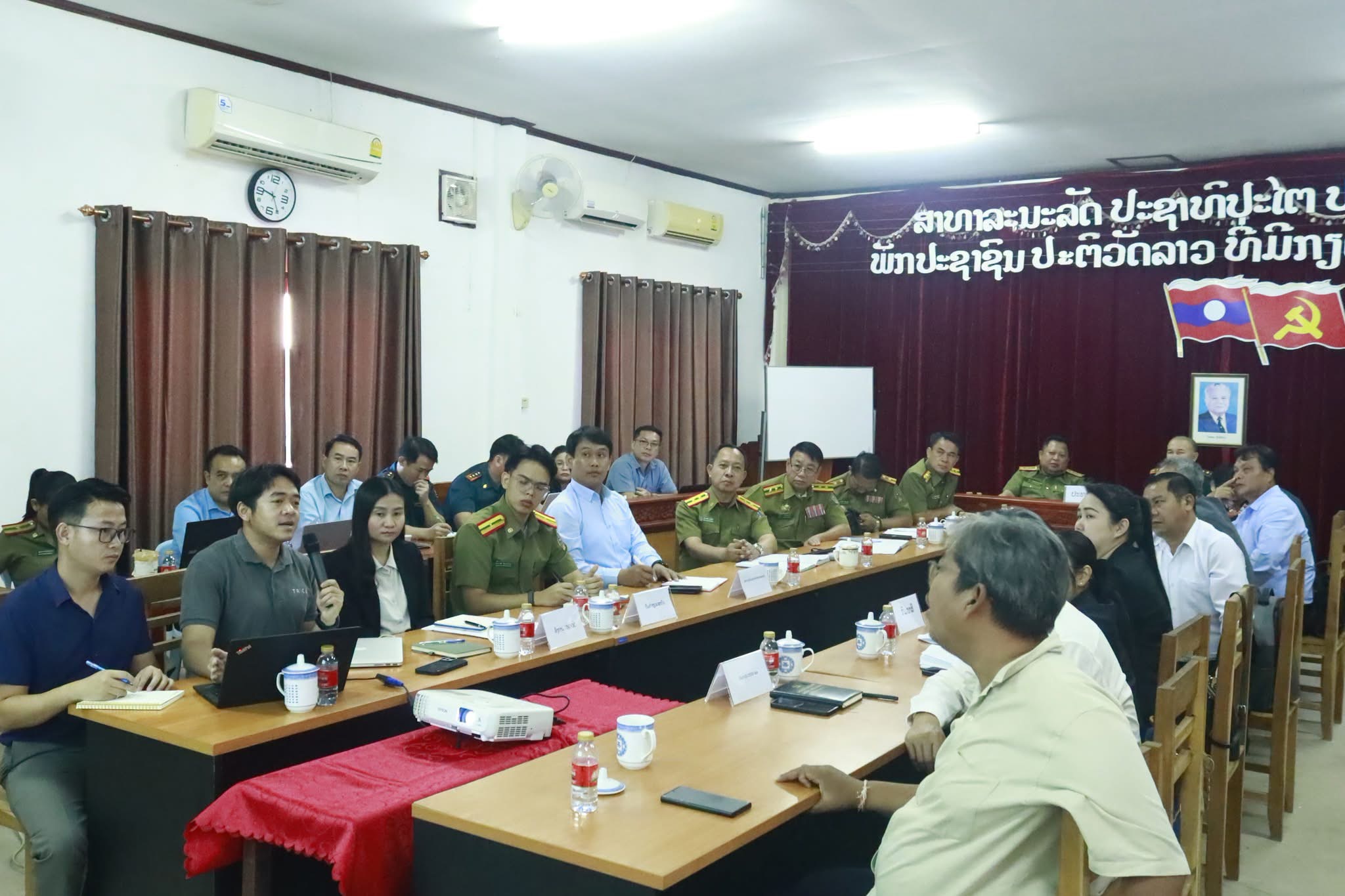
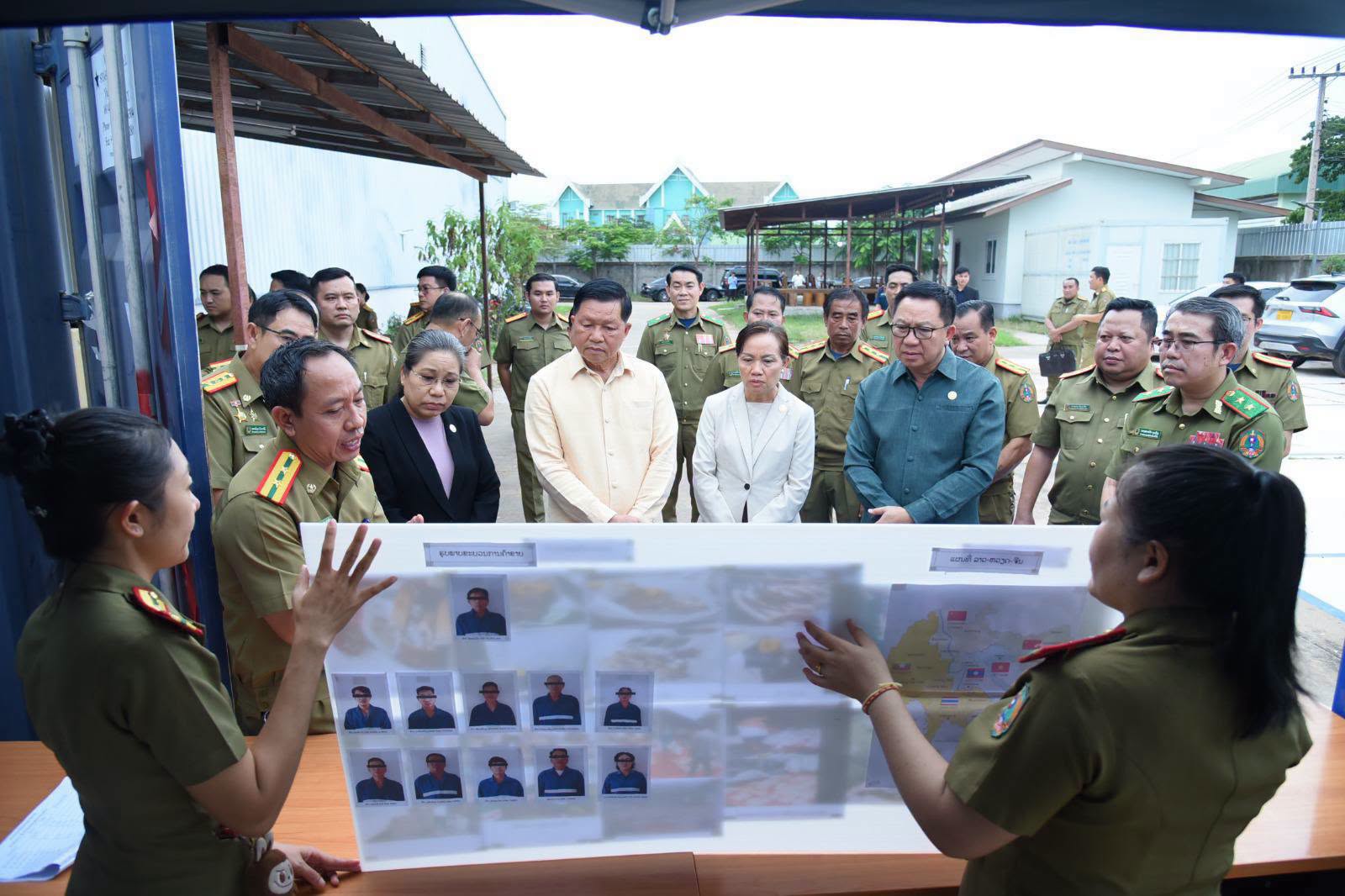
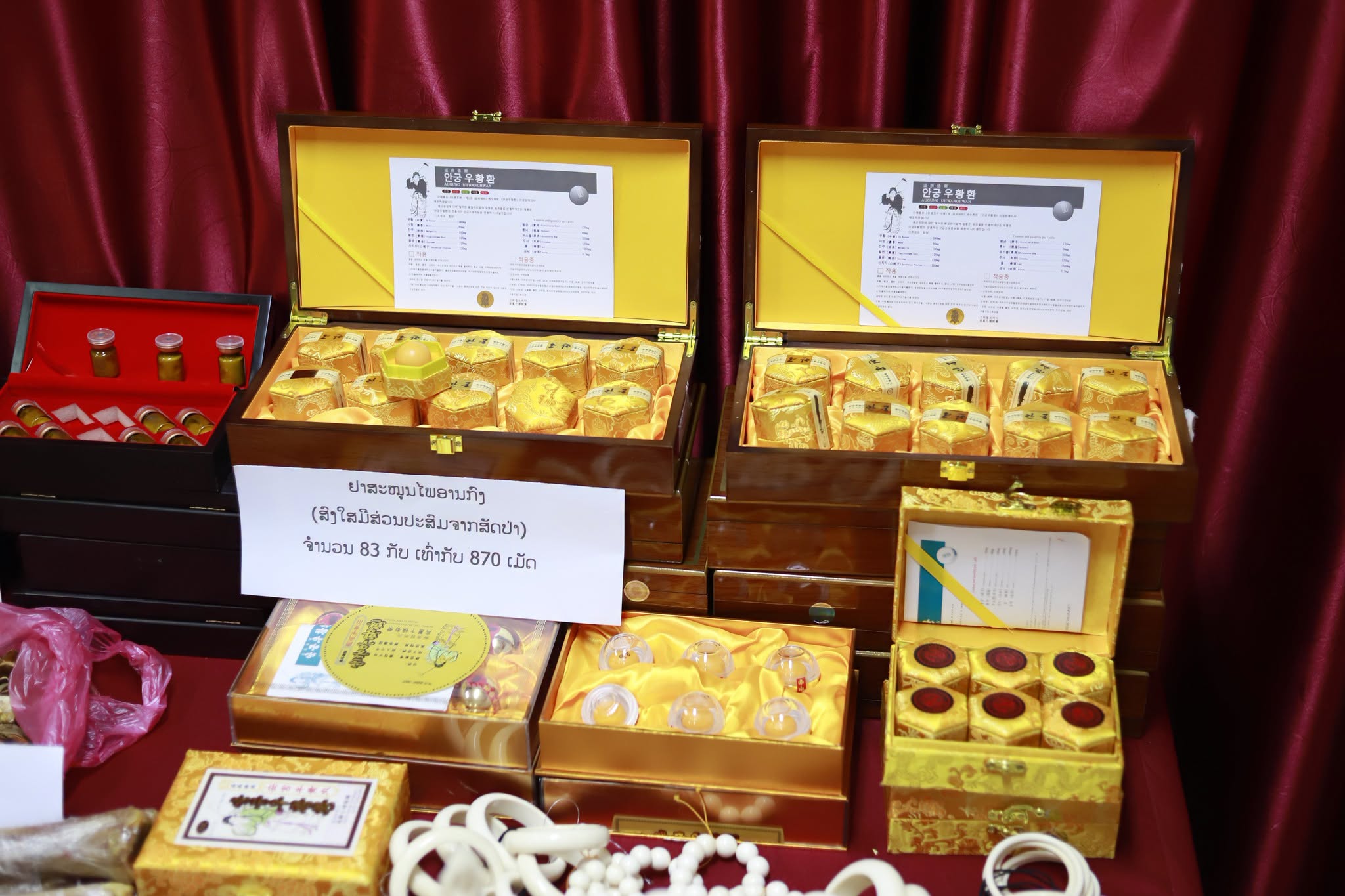
Beyond air pollution, the two sides discussed closer cooperation to prevent and combat the illegal cross-border trade in aquatic animals, wildlife and wild plants in accordance with the Convention on International Trade in Endangered Species of Wild Fauna and Flora, or CITES. Proposed measures included the timely exchange of information and evidence, verification of CITES permits and legal acquisition findings, scientific identification of specimens, proper management of evidence, joint training, coordination at border checkpoints and expanded investigations. The objective is to move beyond individual seizures and pursue the organizers, financiers and wider criminal networks responsible for transnational wildlife trafficking.
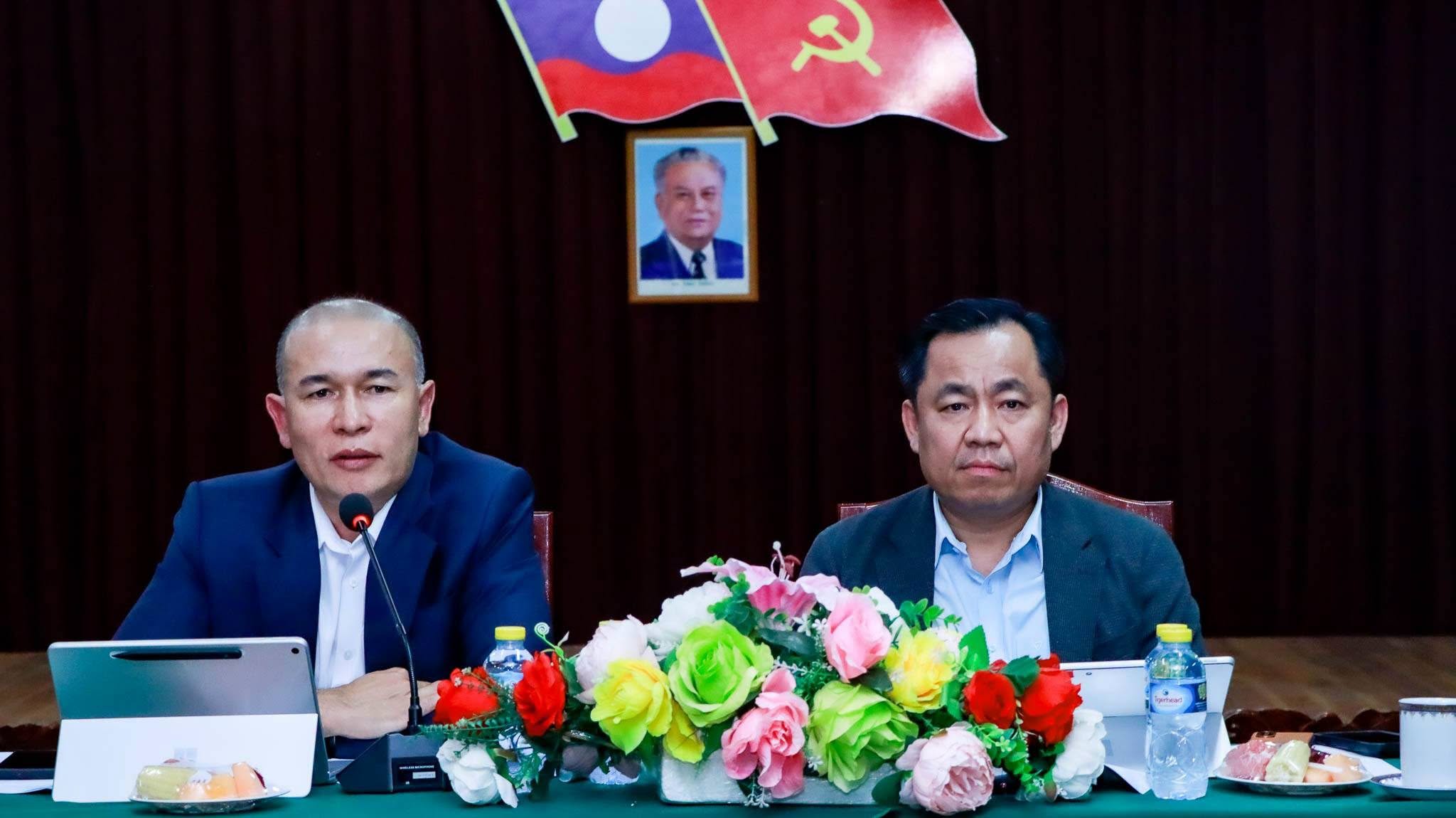
Assoc. Prof. Dr. Somvang Phimmavong, Director General of the Department of Forestry and Head of the CITES Management Authority of Lao PDR, said the visit provided valuable lessons on incident command, hotspot data, technology and community participation that could be adapted to conditions in Lao PDR. He emphasized that wildfires, transboundary haze and wildlife crime could not be addressed by one country acting alone. Laos and Thailand should establish clear coordination mechanisms, exchange information promptly and conduct expanded investigations together, he said, adding that enforcement should progress from the seizure of wildlife, carcasses, parts and derivatives to the prosecution of organizers and financiers and the systematic dismantling of criminal networks, while ensuring that any authorized trade remains legal, effective, sustainable and fully compliant with CITES.
Assoc. Prof. Dr. Linhkam thanked the Government of Thailand for its continued technical support and said Lao PDR would draw on Thai experience in community engagement, wildfire control, training, technology and law enforcement under the Clear Sky Strategy and the memorandum of understanding between the two countries. He also called for combating transnational organized wildlife crime to be treated as a shared priority, with CITES Management Authorities, police, customs, prosecutors, inspection bodies and border officials working in close coordination to exchange information, expand investigations, trace financial flows, prosecute organizers and financiers, disrupt criminal funding and dismantle trafficking networks. Such cooperation, he said, would help protect wildlife resources and conserve biodiversity in both countries.
The visit reflected a broader commitment by Laos and Thailand to address environmental and wildlife-related challenges through practical cooperation. Both sides underscored the importance of timely information exchange, professional training, modern technology and coordinated law enforcement to protect public health, strengthen border security and conserve natural resources for future generations.