Lao PDR Successfully Deploys First GPS Satellite Collar on a Wild Elephant in Nam Poui National Protected Area
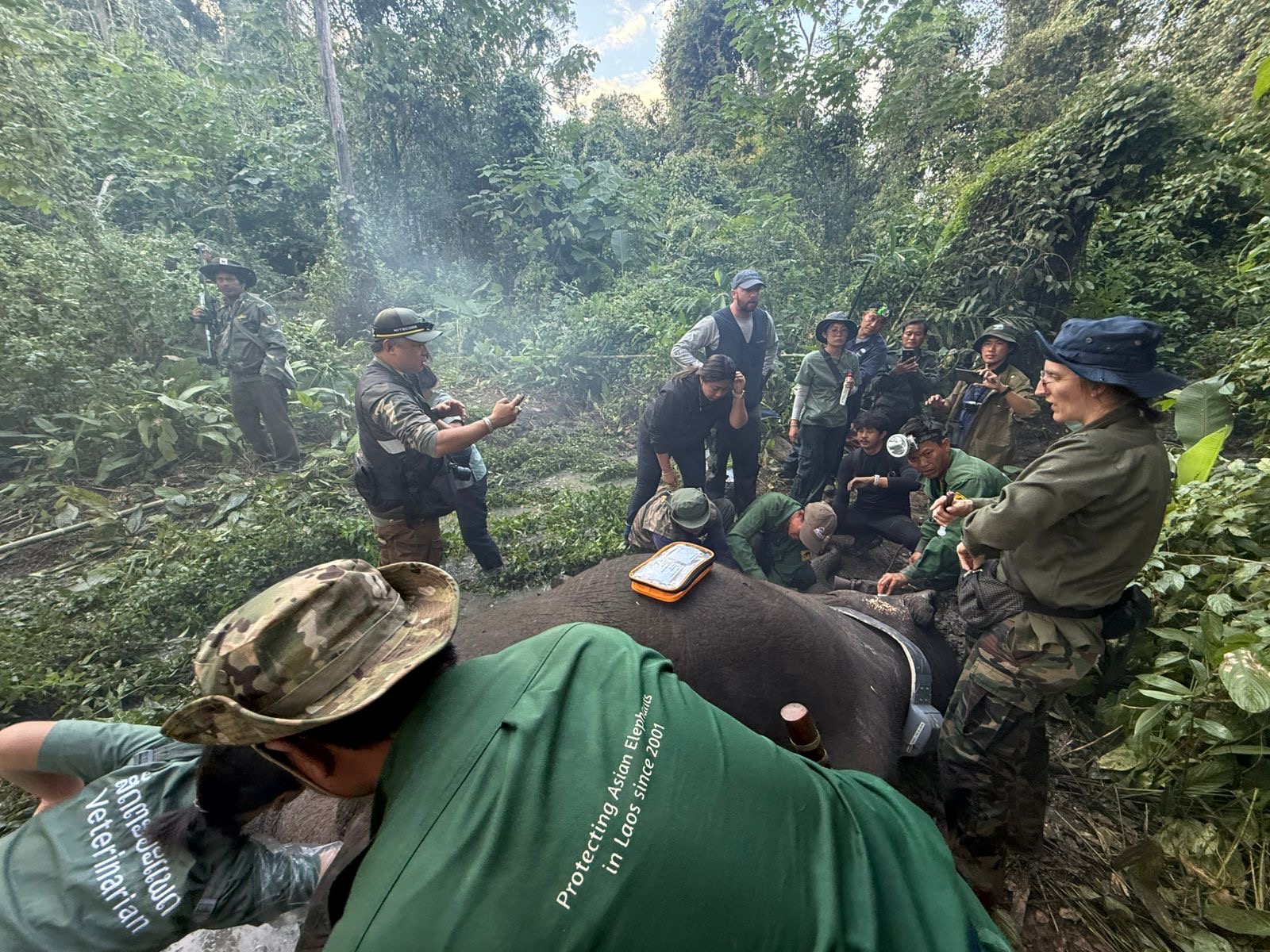
Xayaboury Province, Lao PDR — Lao PDR has achieved a major milestone in wild elephant conservation with the successful deployment of the country’s first GPS satellite collar on a wild Asian elephant in Nam Poui National Protected Area, Xayaboury Province.
The achievement marks an important step in strengthening the long-term conservation and management of wild elephants in Lao PDR. It will generate valuable scientific information to support evidence-based conservation planning in Nam Poui while contributing to national elephant conservation efforts across the country.
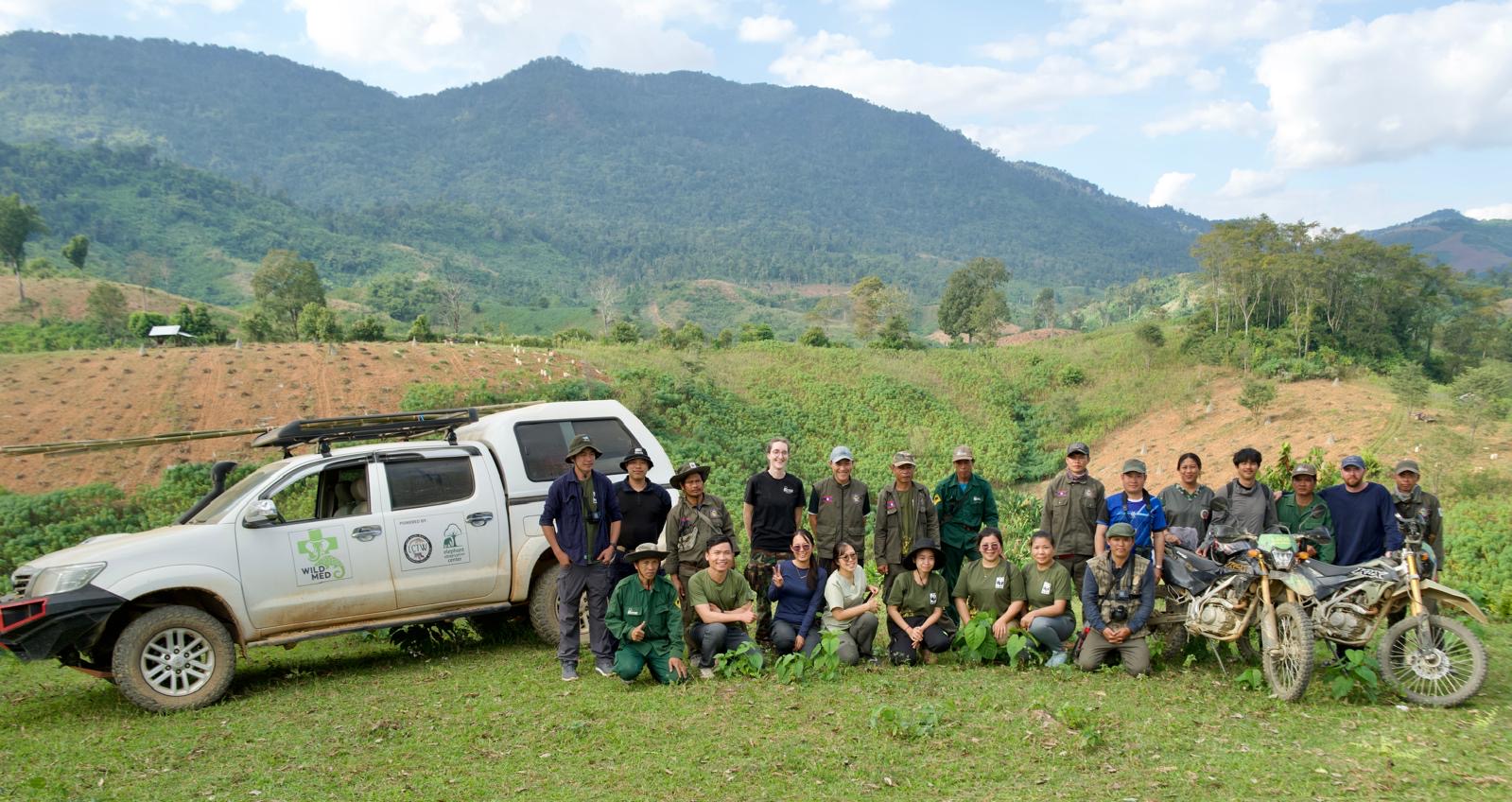
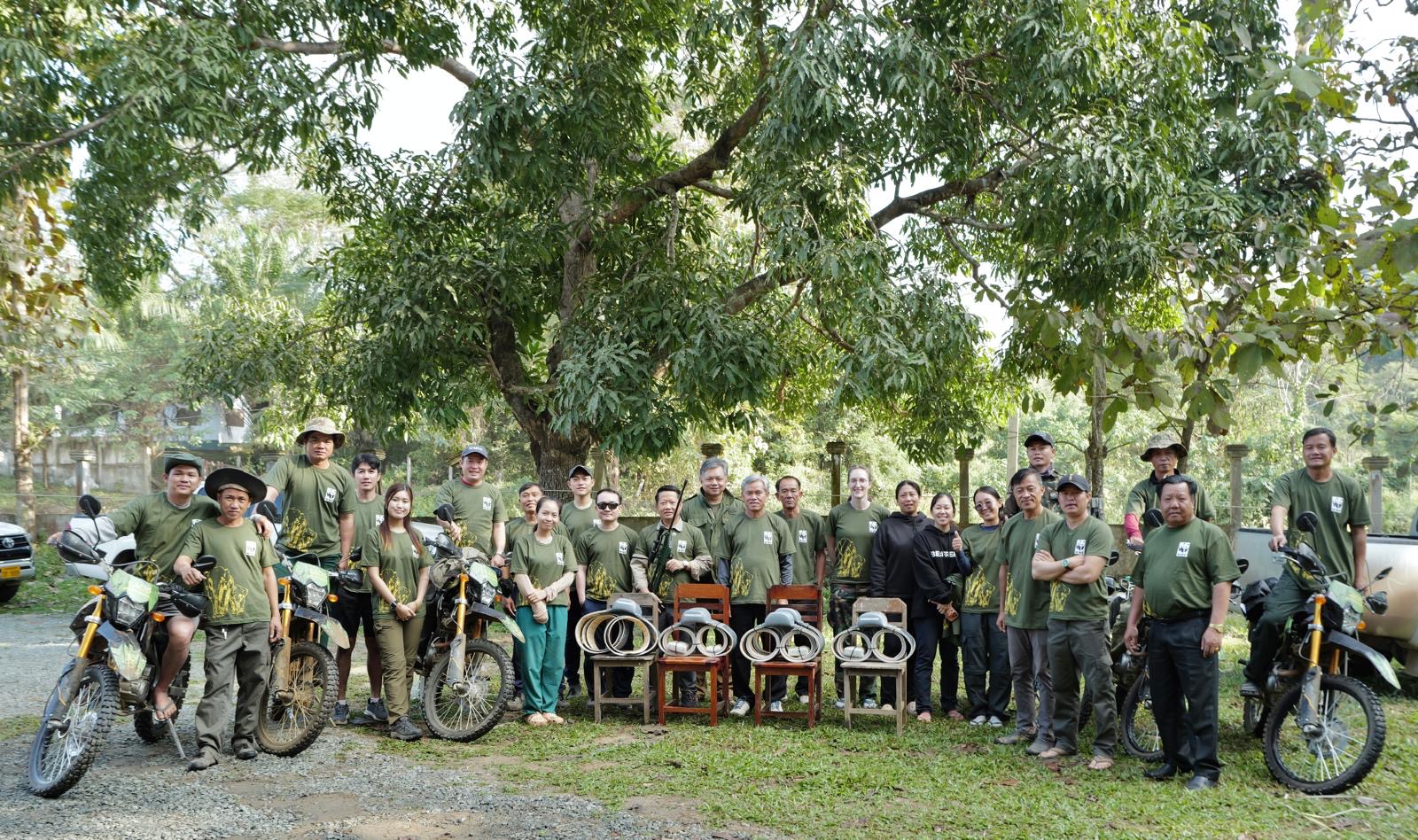
The GPS collaring operation was carried out in late December 2025 through a collaborative effort led by the Department of Forestry, in partnership with the Xayaboury Provincial Agriculture and Environment Office, with technical and financial support from WWF-Laos and its conservation partners.
The operation followed several months of planning, field surveys, technical preparation, equipment testing and specialized training involving national and international wildlife experts to ensure that the collaring was conducted safely and according to internationally accepted wildlife management standards.
Although the project aims to deploy GPS collars on several wild elephants, the successful collaring of the first individual represents a significant milestone, with additional deployments planned in the near future.
Supporting Science-Based Elephant Conservation
The satellite collar will provide real-time information on elephant movements, habitat use and ranging behaviour, enabling conservation authorities to better understand the ecology of wild elephant populations.
These data will strengthen the implementation of Lao PDR’s National Elephant Action Plan by providing scientific evidence to guide conservation planning, habitat management and protected area management at both local and national levels.
The information collected will also support future expansion of GPS monitoring to other important wild elephant habitats throughout the country.
Reducing Human–Elephant Conflict
Understanding the movement patterns of wild elephants will help conservation authorities and local communities anticipate elephant movements, reduce the risk of human-elephant conflict and improve early response mechanisms.
The data will support more effective patrol planning, protection of critical habitats and migration corridors, and targeted management interventions that benefit both people and wildlife.
By strengthening cooperation between protected area authorities and surrounding communities, the initiative will contribute to reducing conflicts while promoting the long-term coexistence of people and wild elephants.
Strengthening Lao PDR’s CITES Commitments
The GPS collaring programme also supports Lao PDR’s broader commitment to the conservation of the Asian Elephant (Elephas maximus), a species listed in Appendix I of the Convention on International Trade in Endangered Species of Wild Fauna and Flora (CITES).
Through scientific monitoring, habitat conservation and strengthened wildlife management, Lao PDR continues to enhance its implementation of CITES and other international biodiversity commitments. The programme complements ongoing national efforts to strengthen elephant population monitoring, improve protected area management, combat illegal wildlife crime and promote evidence-based conservation.
The successful deployment of the first satellite collar represents an important milestone in building a comprehensive national monitoring system for wild elephants and demonstrates Lao PDR’s commitment to applying modern conservation technologies to safeguard one of the country’s most iconic and threatened species.
As additional elephants are fitted with GPS collars in the future, the programme is expected to generate critical information that will guide conservation policy, improve management decisions and support the long-term survival of wild elephant populations in Lao PDR.
Source: WWF-Laos